February 23, 2026
Choosing the right window tint percentage for your car is a decision that impacts far more than appearance. While many drivers focus on how dark their windows will look, the reality is that tint percentage affects comfort, safety, visibility, legal compliance, and long-term vehicle protection. Selecting the wrong tint can lead to poor nighttime visibility, unwanted attention from law enforcement, or the need to remove and replace film entirely. Selecting the right one enhances driving comfort, preserves your interior, and improves your overall experience behind the wheel.
Auto glass tinting has evolved into a highly technical upgrade that combines aesthetics with performance. Modern tint films are engineered to manage heat, reduce glare, and block harmful ultraviolet radiation while maintaining clarity. However, with so many tint percentages and film types available, it is easy to feel overwhelmed. This guide breaks down everything you need to know so you can confidently choose a tint percentage that aligns with your driving habits, environment, and legal requirements.
Understanding Auto Glass Tinting and Tint Percentages
Auto glass tinting involves applying a specialized film to the interior surface of a vehicle’s windows to control the amount of visible light and solar energy that enters the cabin. Tint percentages represent visible light transmission, or VLT, which indicates how much light passes through the window. Lower percentages mean darker tint, while higher percentages allow more light to enter the vehicle.
A common misconception is that darker tint automatically means better performance. In reality, tint effectiveness depends on both the percentage and the type of film used. For example, a lighter ceramic tint can outperform a darker dyed tint in terms of heat and UV rejection. Understanding this distinction helps drivers avoid choosing a tint solely based on appearance and instead focus on performance and usability.
Modern tint films are significantly more advanced than early versions, which were often metallic and prone to fading or interference with electronics. Today’s films provide improved clarity, durability, and efficiency, allowing drivers to achieve comfort and protection without sacrificing visibility. Knowing how tint percentages work in real-world conditions is essential before making a final decision.
Types of Window Tint Films and Performance Differences
Not all window tint films perform the same, even when they share identical tint percentages. Dyed films are typically the most affordable option and primarily offer aesthetic darkening and basic glare reduction. However, they provide limited heat and UV protection and tend to fade over time, making them a less durable long-term choice.
Metallic films improve heat rejection and durability but can interfere with GPS, radio, and mobile signals. Carbon films strike a balance by offering strong UV blocking, better heat reduction, and a non-reflective appearance. They are popular among drivers seeking performance without electronic interference.
Ceramic tint films represent the highest level of auto glass tinting technology. According to AAA, ceramic auto window tint features ceramic nanoparticles that block more than 99% of harmful UV rays. This level of protection makes ceramic tint especially beneficial for drivers concerned about skin health, interior fading, and overall comfort. Ceramic films also maintain exceptional clarity, making them ideal for drivers who want performance without excessive darkness.
Benefits of Auto Glass Tinting Beyond Appearance
Auto glass tinting provides a wide range of benefits that go far beyond enhancing a vehicle’s look. One of the most immediate advantages is heat reduction. Tint films limit solar heat entering the vehicle, keeping interiors cooler during hot weather and reducing reliance on air conditioning. This not only improves comfort but can also reduce fuel consumption over time.
Tinting also protects a vehicle’s interior from UV damage, which can cause upholstery, dashboards, and trim to fade or crack. By reducing UV exposure, tint helps preserve the vehicle’s condition and resale value. Additionally, glare reduction improves driving comfort and safety, especially during bright sunlight or early morning and late afternoon hours.
Privacy and security are also important benefits. Tinted windows make it harder for outsiders to see inside the vehicle, discouraging theft and protecting personal belongings. Combined, these advantages make auto glass tinting a practical investment rather than a purely cosmetic upgrade.
Legal Considerations and Compliance Requirements
Window tint laws exist to ensure driver visibility and roadway safety, and they vary by state and sometimes by vehicle type. These regulations typically specify allowable tint percentages for front, rear, and windshield windows. Front side windows usually have stricter limits, as they directly affect driver visibility.
Failing to comply with tint laws can result in fines, inspection failures, and mandatory removal of the tint. In some cases, repeated violations can attract increased scrutiny from law enforcement. Because tint laws can change, it is important to verify current regulations before installation.
Professional installers are often the best resource for ensuring compliance. They stay informed about local laws and can recommend tint percentages that meet legal requirements while still delivering comfort and performance. Documentation of tint specifications can also provide peace of mind if questions arise during inspections or traffic stops.
Evaluating Your Vehicle’s Needs and Driving Habits
Selecting the right tint percentage requires an honest evaluation of how and where you drive. Drivers in hot, sunny climates may prioritize heat and UV reduction, while those who frequently drive at night may need higher visibility. Parking habits also matter, as vehicles parked outdoors for long periods are more susceptible to heat buildup and UV exposure.
Privacy preferences vary widely. Some drivers prefer darker tint for added privacy, while others prioritize a lighter appearance for visibility and compliance. It is important to balance these preferences with safety considerations, especially during nighttime driving or adverse weather conditions.
Vehicle aesthetics also play a role. Tint should complement the vehicle’s color, style, and overall design. A well-chosen tint enhances appearance without overpowering it, contributing to long-term satisfaction with the upgrade.
Choosing the Right Tint Percentage for Your Car
Choosing the correct tint percentage involves weighing multiple factors, including legal limits, film type, driving conditions, and personal preferences. Very dark tints provide maximum privacy but can limit visibility and may not be legal for front windows. Mid-range tints offer a balance of privacy, glare reduction, and visibility, making them popular for everyday driving.
Lighter tints maintain excellent visibility while still offering UV and heat protection when paired with high-quality films. Drivers should consider how each percentage performs in real-world scenarios rather than relying solely on appearance.
Testing tint samples or viewing completed installations can be helpful. Seeing how different percentages look from inside and outside the vehicle provides valuable perspective and reduces the risk of dissatisfaction after installation.
Professional Installation Versus DIY Tinting
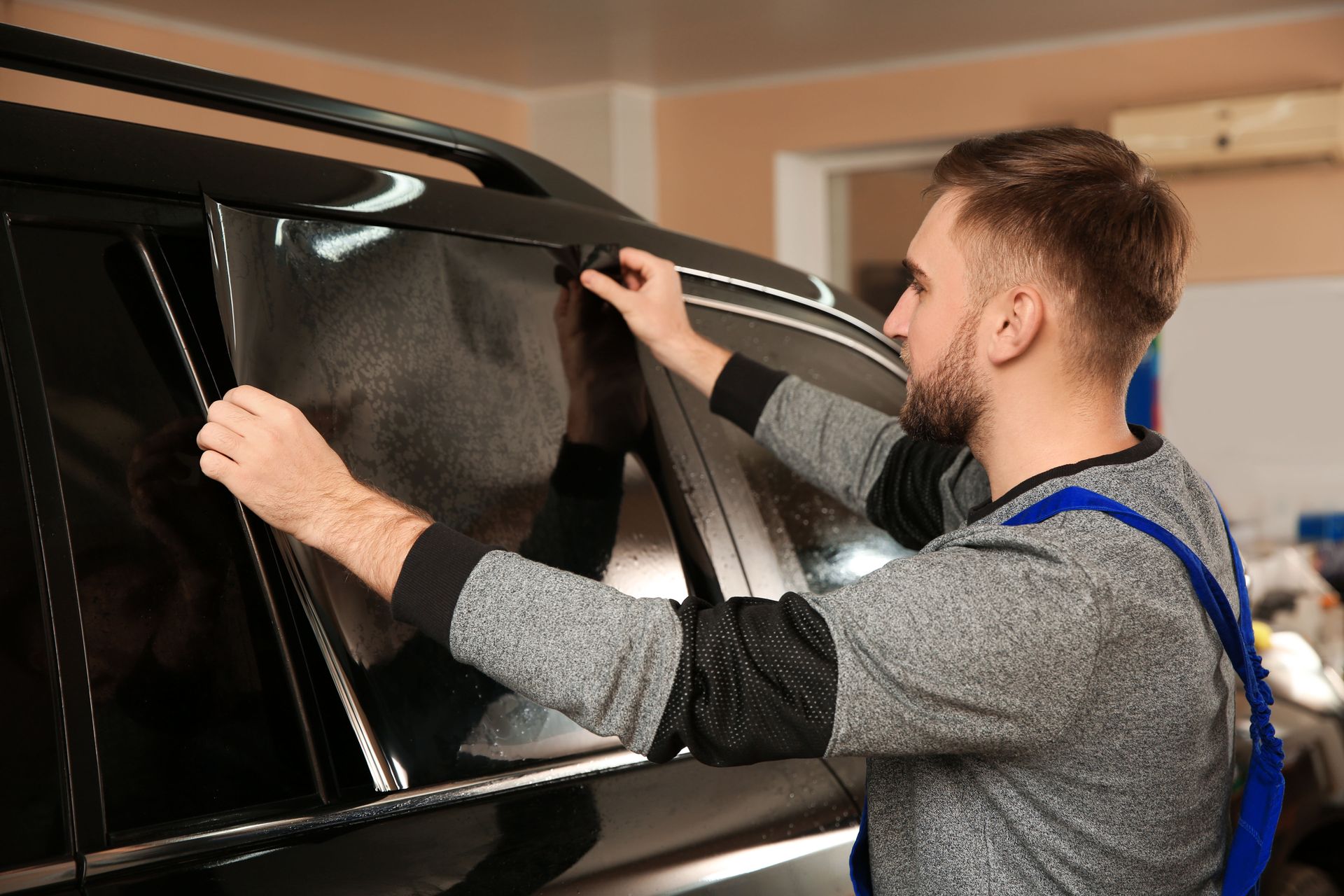
Professional installation offers precision, durability, and legal compliance. Experienced installers use specialized tools and techniques to ensure a smooth, bubble-free application that lasts for years. Professional services often include warranties, providing additional peace of mind.
DIY tinting kits may appeal to budget-conscious drivers, but they come with risks. Improper application can lead to bubbling, peeling, or reduced performance, often requiring professional correction. When factoring in potential rework, professional installation is often the more cost-effective and reliable option.
Choosing the best tint percentage for your car is about balancing comfort, safety, appearance, and compliance. By understanding tint percentages, film types, legal requirements, and personal driving needs, you can make an informed decision that delivers long-term value. High-quality auto glass tinting improves comfort, protects your interior, and enhances your driving experience when done correctly.
If you are ready to upgrade your vehicle with professional-grade results, contact A1 Auto Glass & Window Tinting today. Our experienced team can help you select the right tint solution to meet your needs while ensuring durability, performance, and compliance you can trust.