April 7, 2026
Drivers today are paying closer attention to comfort, privacy, and protection when it comes to their vehicles. One upgrade that continues to grow in popularity is ceramic window tinting. While traditional film tinting has been common for decades, newer technology has introduced more advanced solutions within the auto glass tinting industry. Ceramic window films offer impressive performance benefits that appeal to both everyday commuters and car enthusiasts.
Auto glass tinting is no longer just about achieving a darker appearance. Many drivers now prioritize features such as heat rejection, ultraviolet protection, and improved interior preservation. Ceramic tint stands out because it delivers these advantages without many of the drawbacks associated with older tinting technologies.
Before deciding whether ceramic window tinting is the right option for your vehicle, it is important to understand how it works, what benefits it offers, and how it compares to other auto glass tinting solutions. The following sections explore the technology, performance, cost considerations, and legal factors that drivers should know.
Understanding Ceramic Window Tinting
Ceramic window tinting is a modern form of auto glass tinting that uses advanced ceramic particles embedded within the film. Unlike traditional dyed or metallic tints, ceramic films do not rely on pigments or metal layers to block sunlight. Instead, they use microscopic ceramic particles that are designed to absorb and reflect heat and ultraviolet radiation.
One of the key differences between ceramic tint and older forms of auto glass tinting is the absence of metals. Metallic tints can sometimes interfere with electronic signals such as GPS, radio, or mobile phone reception. Ceramic tint avoids this problem because the film is non-metallic while still delivering excellent heat rejection.
Another advantage lies in durability. Ceramic films tend to resist fading and discoloration over time. Traditional dyed tints may lose their color or develop a purplish hue after years of sun exposure. By contrast, ceramic auto glass tinting products maintain their appearance and performance much longer.
The technology behind ceramic tinting also allows manufacturers to design films that block infrared heat while still permitting visible light to pass through. This means drivers can enjoy the benefits of auto glass tinting without drastically reducing visibility.
Exploring the Benefits of Ceramic Window Tinting
Ceramic window tinting offers several advantages that make it an attractive option for vehicle owners considering auto glass tinting. One of the most notable benefits is protection from harmful ultraviolet radiation.
High-quality ceramic tint films can block a significant percentage of UV rays that enter through the windows. This protection helps prevent skin damage during long drives and also reduces fading or cracking of interior materials such as leather seats and dashboards.
Heat reduction is another major advantage. Many drivers choose auto glass tinting specifically to keep their vehicles cooler during hot weather. Ceramic tint excels in this area because it blocks infrared radiation responsible for much of the heat buildup inside a car. According to AAA, ceramic auto window tint can lower your car’s interior temperature by up to 50%. This reduction can make a noticeable difference during summer months, especially when vehicles are parked outdoors.
Lower interior temperatures also reduce the workload on a vehicle’s air conditioning system. As a result, drivers may experience improved fuel efficiency and greater comfort during daily commutes.
Ceramic auto glass tinting also contributes to increased privacy and security. The film slightly darkens the windows, making it more difficult for outsiders to see inside the vehicle. This can help protect personal belongings and create a more comfortable environment for passengers.
In addition, many ceramic films offer a degree of shatter resistance. In the event of an accident or impact, the tint film can help hold shattered glass together, reducing the risk of injury from flying shards.
Evaluating Visibility and Aesthetic Appeal
One common concern among drivers considering auto glass tinting is whether tinted windows will negatively affect visibility. With older tinting technologies, darker films could sometimes reduce clarity, particularly at night. Ceramic window tinting addresses this issue by providing excellent optical clarity.
Because ceramic particles are extremely small and evenly distributed, the film allows clear visibility from inside the vehicle. Drivers can maintain a strong view of the road while still enjoying the benefits of auto glass tinting. Many high-end ceramic films are designed specifically to avoid distortion, glare, or haziness.
Ceramic tint can also reduce glare from sunlight and headlights. This improvement helps reduce eye strain and can make driving safer during bright daytime conditions or nighttime travel.
From an aesthetic perspective, ceramic window tinting provides a sleek and polished appearance. Vehicles with professionally installed auto glass tinting often appear more refined and cohesive. The subtle shading of the windows complements the body lines of the car while maintaining a clean and modern look.
Unlike some traditional films that may fade or bubble over time, ceramic tint maintains its consistent appearance for years. This long-term visual stability is another reason why many vehicle owners consider ceramic auto glass tinting a premium upgrade.
Comparing the Cost of Ceramic Window Tinting
Cost is an important factor for many drivers evaluating different auto glass tinting options. Ceramic window tinting typically costs more than basic dyed films, but the price difference reflects the advanced materials and performance benefits involved.
Several factors influence the overall cost of ceramic auto glass tinting. The size and type of vehicle play a significant role. Larger vehicles such as SUVs and trucks require more film and installation time compared to smaller sedans or compact cars.
The brand and quality of the tint film also affect pricing. Premium ceramic films that offer higher heat rejection and longer warranties may come with a higher upfront cost. However, these products often provide better durability and performance over time.
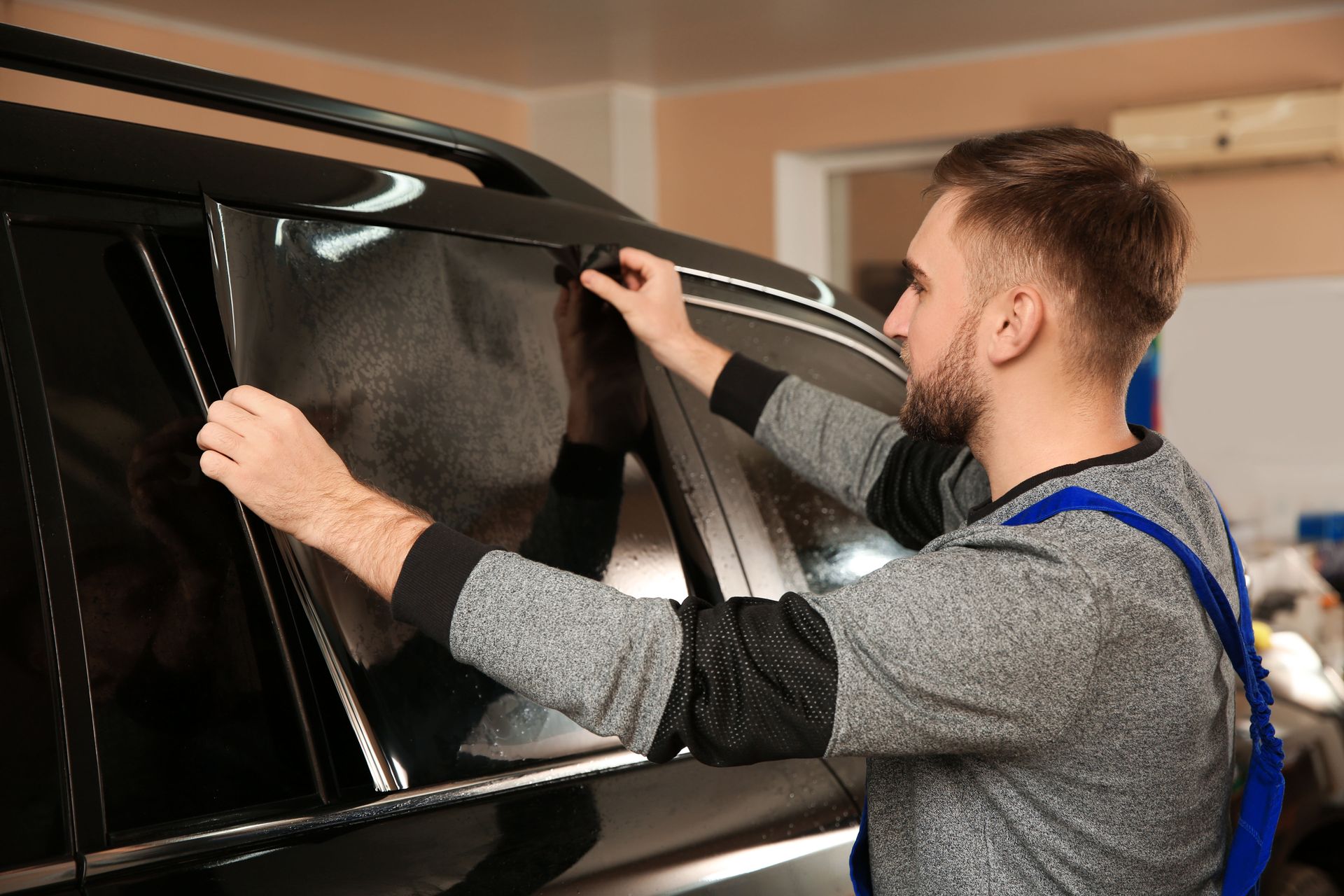
Installation quality is another important consideration. Professional auto glass tinting services ensure that the film is applied smoothly without bubbles, creases, or gaps. Skilled installers also cut the film precisely to match each window’s shape, creating a clean and seamless finish.
While ceramic window tinting can be more expensive initially, many drivers find that the benefits justify the investment. Improved comfort, enhanced interior protection, and long-lasting performance often make ceramic auto glass tinting a cost-effective option in the long run.
Understanding Legal Considerations for Window Tinting
Before installing any type of auto glass tinting, drivers should be aware of local laws governing window tint levels. Regulations vary widely depending on the state or region, and they typically focus on how much visible light is allowed to pass through tinted windows.
Many jurisdictions set specific limits for front side windows, rear windows, and windshields. For example, front windows may require a higher level of visible light transmission than rear windows to ensure driver visibility and safety.
Ceramic window tinting can often comply with these regulations because the technology allows for strong heat rejection without requiring extremely dark films. Drivers can choose lighter shades that still provide the advantages of auto glass tinting while meeting legal requirements.
Some states also allow darker tints for medical reasons if drivers have documentation supporting the need for additional sun protection. However, rules regarding medical exemptions differ between regions.
Professional auto glass tinting providers typically stay informed about local regulations and can recommend films that comply with the law. Checking these guidelines before installation helps drivers avoid potential fines or the need to remove noncompliant tint.
Ceramic window tinting represents one of the most advanced options available in the auto glass tinting market today. By using non-metallic ceramic particles, this technology provides excellent heat rejection, UV protection, and long-lasting durability without interfering with electronics or reducing visibility.
Drivers who invest in ceramic auto glass tinting can benefit from a cooler interior, improved comfort, and enhanced privacy. While the initial cost may be higher than traditional tinting methods, the performance and longevity of ceramic films often make them a worthwhile upgrade.
For vehicle owners exploring auto glass tinting solutions, ceramic window tinting offers a balanced combination of protection, style, and efficiency. Understanding its features, costs, and legal considerations can help drivers determine whether it is the right choice for their vehicle. If you're considering ceramic window tint, reach out to the professionals at A1 Auto Glass & Window Tinting today!