January 23, 2026
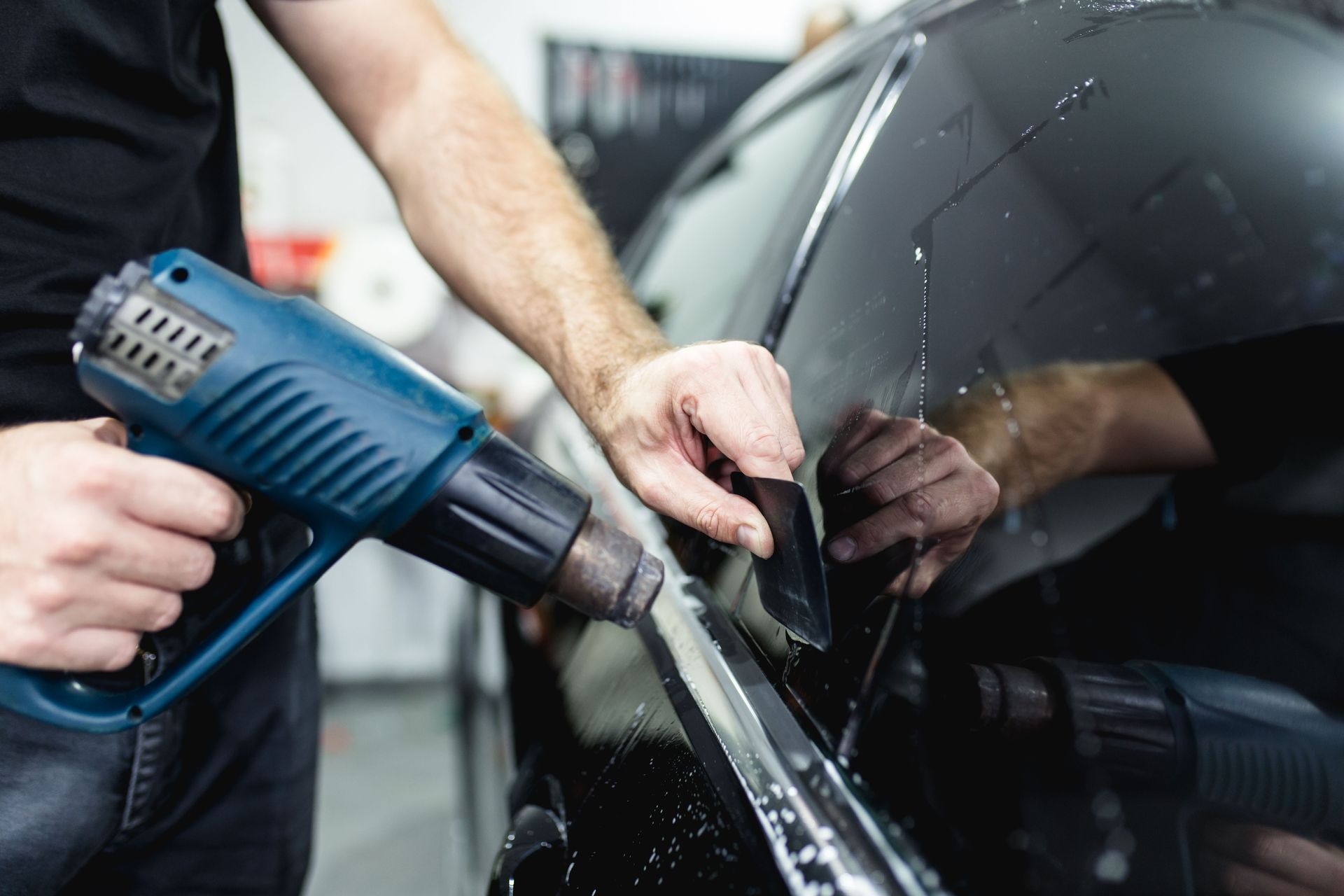
In an era where fuel efficiency and effective climate control are increasingly important, auto window tinting has become a practical solution for modern vehicles. As fuel costs rise and demand grows for environmentally responsible transportation, reducing energy consumption remains a top priority for drivers. Auto window tinting enhances both the appearance and functionality of a vehicle by limiting excessive heat and sunlight. By reducing interior heat buildup, tinted windows lessen the workload on air conditioning systems, which can contribute to improved fuel efficiency and overall driving comfort.
Understanding Window Tinting Technology
Window tinting films come in various forms, each catering to different needs and preferences. Ceramic films are known for their superior heat rejection capabilities and do not interfere with electronic signals. Metalized tints provide added strength and durability but may affect signal transmission. Carbon tints offer a matte finish with efficient UV blocking, reducing fading of interior elements. Dyed films are the most cost-effective option but offer the least in terms of heat rejection and longevity.
Ceramic tints, in particular, have gained popularity due to their advanced heat reduction technology. According to AAA, ceramic auto window tint can lower your car's interior temperature by up to 50%. This significant reduction not only improves comfort but also prevents over-reliance on air conditioning systems, thereby enhancing fuel economy. These films do not contain metals or dyes, making them long-lasting and effective in retaining clarity and performance.
Auto window tinting plays a crucial role in blocking harmful ultraviolet (UV) rays, which can have detrimental effects on both vehicle occupants and interior materials. The science behind UV rejection lies in the composition of the tint films, which absorb or reflect UV radiation. This not only prevents skin damage and health risks for passengers but also protects the vehicle's interior from fading and cracking. Different tint types offer varying levels of UV protection, with ceramic and carbon tints leading in efficiency.
Advancements in Tinting Technology
The auto window tinting industry tends to evolve with continuous advancements that enhance performance, aesthetics, and durability. Modern tint films come with multiple layers that combine different technologies for maximum efficiency. Developments in nanotechnology, for example, have led to more effective nano-ceramic tints that provide superior solar control while maintaining optical clarity. This results in better temperature regulation and fuel efficiency without affecting signal reception or visibility.
Cutting-edge technology also includes dynamic tints that adapt their darkness levels based on ambient light conditions. This offers drivers enhanced visibility regardless of the time of day, while still maintaining solar rejection properties. Furthermore, innovations in eco-friendly materials make it possible for manufacturers to produce tints with a reduced environmental impact.
Future trends in window tinting point towards even more integrated systems, potentially incorporating smart features such as interconnected sensors and adjustable properties via mobile applications. The ongoing pursuit of improved materials and methods highlights the industry's commitment to offering solutions that align with both consumer demands and environmental goals.
Impact on Vehicle Interior Temperature
The primary benefit of auto window tinting is its ability to significantly reduce heat buildup within a vehicle's cabin. This reduction is attributed to the film's capacity to block solar energy, preventing the greenhouse effect from raising interior temperatures. As the cabin heat decreases, passengers experience greater comfort, particularly during hot weather conditions. Ceramic tints, known for their high efficiency, can lower interior temperatures by up to 50%. This statistic highlights the substantial impact tints can have on reducing the thermal load inside vehicles.
Such temperature control correlates with decreased reliance on air conditioning systems, which are often strained during peak heat periods. Consequently, less energy is consumed, contributing to improved overall fuel efficiency. Notably, vehicles parked under direct sunlight also benefit from tints, as they experience a slower rate of heat increase, allowing for quicker cooldowns once in operation.
Whether in mild, temperate regions or areas with extreme heat, window tints consistently support improved thermal regulation inside vehicles. This ability to manage interior temperatures helps reduce reliance on air conditioning systems and improves overall comfort for occupants. Their proven performance in varying environments makes window tints a practical solution for drivers in diverse geographic locations. As a result, window tints have become an important element in modern vehicle design and energy efficiency efforts.
Impact of Tint on Energy Consumption
The link between window tinting and energy consumption is primarily observed through changes in air conditioning use. Tints effectively lower interior temperatures, leading to a decreased need for air systems to achieve comfortable driving climates. This reduction in cooling requirements results in notable energy savings, contributing directly to enhanced fuel efficiency. Lower reliance on air conditioning also reduces strain on the engine during extended driving periods. Over time, this can help preserve vehicle performance and reduce maintenance-related costs.
As vehicles spend less time idling with active cooling systems, overall emissions are also reduced. This has positive implications for both environmental conservation and financial savings, as fuel costs are a significant expense for most vehicle owners. Window tints, therefore, serve as an efficient energy management solution. These advantages are especially relevant in high-traffic or urban driving conditions where idling is common. Consistent reductions in emissions also support broader efforts to meet environmental standards and sustainability goals.
Ultimately, improved energy dynamics reinforce the sustainability benefits of window tinting. They exemplify how small modifications can lead to substantial changes in vehicle performance and efficiency. By advocating for such solutions, industries and consumers alike support enduring shifts toward eco-friendly transportation. Incremental improvements like these collectively create meaningful environmental impact over time. This approach encourages practical, accessible steps toward long-term sustainability.
Fuel Efficiency Benefits
The relationship between air conditioning use and fuel consumption is direct and substantial. Air conditioning compressors run on engine power, and increased use naturally leads to higher fuel consumption. In vehicles without window tints, elevated cabin temperatures necessitate frequent air conditioning use to maintain comfort levels. This constant demand places additional strain on the engine, especially during warmer months or stop-and-go driving. Over time, this added workload can contribute to higher operating costs and increased wear on vehicle components.
Window tinting mitigates this energy demand by reducing the cabin's thermal load, leading to less frequent use of the air conditioning system. This directly lowers the fuel consumption rate of the vehicle, translating into improved fuel efficiency over time. Ceramic and high-performance films are particularly effective in reducing solar heat gain, thereby enhancing this efficiency continually. By maintaining more stable interior temperatures, these films help create a consistently comfortable driving environment. Drivers often notice reduced cooling cycles, which further supports long-term fuel savings.
Empirical studies have detailed the impact of reduced AC use on fuel economy, showcasing significant savings over extended driving periods. These findings evidence the potential for tints to act as cost-effective modifications that support fuel conservation efforts. By aligning with broader sustainability targets, window tints facilitate responsible, economical driving practices. The cumulative benefits become especially noticeable for commuters and long-distance drivers.
Auto window tinting offers a practical way to improve vehicle comfort, reduce energy consumption, and support long-term fuel efficiency. By lowering interior temperatures and easing the demand on air conditioning systems, auto window tinting delivers both environmental and financial benefits for today's drivers. As a smart, sustainable upgrade, auto window tinting continues to play an important role in modern vehicle performance and eco-conscious transportation choices. For window tinting options you can rely on, contact the experts at A1 Auto Glass & Window Tinting.