January 10, 2026
Auto tinting services have soared in popularity due to their multifaceted benefits, from enhancing privacy to protecting vehicle interiors. As more vehicle owners recognize these advantages, understanding what to expect from these services becomes crucial. Before diving into the process, it’s essential to equip oneself with knowledge about what auto tinting entails, its benefits, and the potential pitfalls. Being informed can help make the most out of the experience, ensuring both satisfaction and value for money. This comprehensive guide will explore what you need to know before choosing an auto tinting service for your vehicle.
Understanding Auto Tinting Options
When venturing into auto tinting, it's essential to understand the various film types available in the market. Dyed films, the most economical option, offer an aesthetic appeal while adding heat reduction capabilities, albeit minimally. Metallic films, on the other hand, provide a more reflective surface, aiding in significant heat reduction, but can potentially interrupt radio and GPS signals. Carbon tints boast a matte finish and effectively block infrared light, preventing interior fading, while ceramic tints, though costly, offer superior heat reduction without interfering with electronic signals. Each type has its unique set of benefits, and choosing the right one depends on your specific needs and budget.
A critical element when considering window tinting is understanding the legal stipulations in your region. Each state or country has specific regulations regarding allowable tint darkness, which often vary depending on the window's position in the vehicle. Failing to comply with local laws can lead to fines or mandates to remove the tint, nullifying the investment. It is advisable to consult with professionals or local authorities to ensure that your chosen tint complies with regional requirements. Additionally, many auto tinting services will offer guidance based on the legal frameworks they operate within.
The cost of auto tinting varies greatly based on several factors, including the type of film used and the size of the vehicle. While dyed films are usually on the lower end of the cost spectrum, premium options like ceramic films can significantly increase the expense. Additionally, installation costs vary among service providers, with professional services typically ensuring better quality and longevity. According to Kelley Blue Book, standard aftermarket car window tint can last up to five years, which factors into long-term cost considerations. It is important to weigh the initial expense against potential long-term savings in terms of reduced cooling costs and increased interior protection.
Preparing Your Vehicle
Effective communication with your auto tinting service provider is crucial to achieving your desired results. Clearly convey your expectations, preferred tint type, and any prior experiences with tinting, as this will guide the technician in tailoring the service. Also, discuss any specific concerns, such as glare reduction or protection from harmful UV rays, to ensure the service meets your needs. It is equally important to inquire about the service provider’s previous work on similar vehicles, as this experience can greatly influence the installation's outcome. Engaging in open dialogue can preempt misunderstandings and lead to higher satisfaction with the final product.
Preparing your vehicle for an auto tinting appointment involves a few straightforward yet essential steps. Begin by thoroughly cleaning your car's interior and exterior windows to ensure a smooth tint application. Remove any personal items from the car, particularly those that might obstruct the installation process, such as accessories or dashboard ornaments. It’s also a good idea to inspect your windows for any pre-existing damage or scratches and communicate them to your service provider. Lastly, read any pre-appointment instructions provided by the service provider, as they may offer additional specific preparation advice.
The Tinting Process Explained
The tinting process begins with a thorough initial assessment of your vehicle to tailor the service to specific needs. During this stage, the technician evaluates the car's current condition, identifying windows that could present challenges, such as those with scratches or previous tint applications. This assessment helps determine the appropriate film type and installation techniques, ensuring optimal performance and appearance. Additionally, the technician might discuss film options considering factors like your vehicle's color, interior preferences, and intended use of the car. A comprehensive initial assessment can drastically enhance the outcome by aligning the service with your expectations.
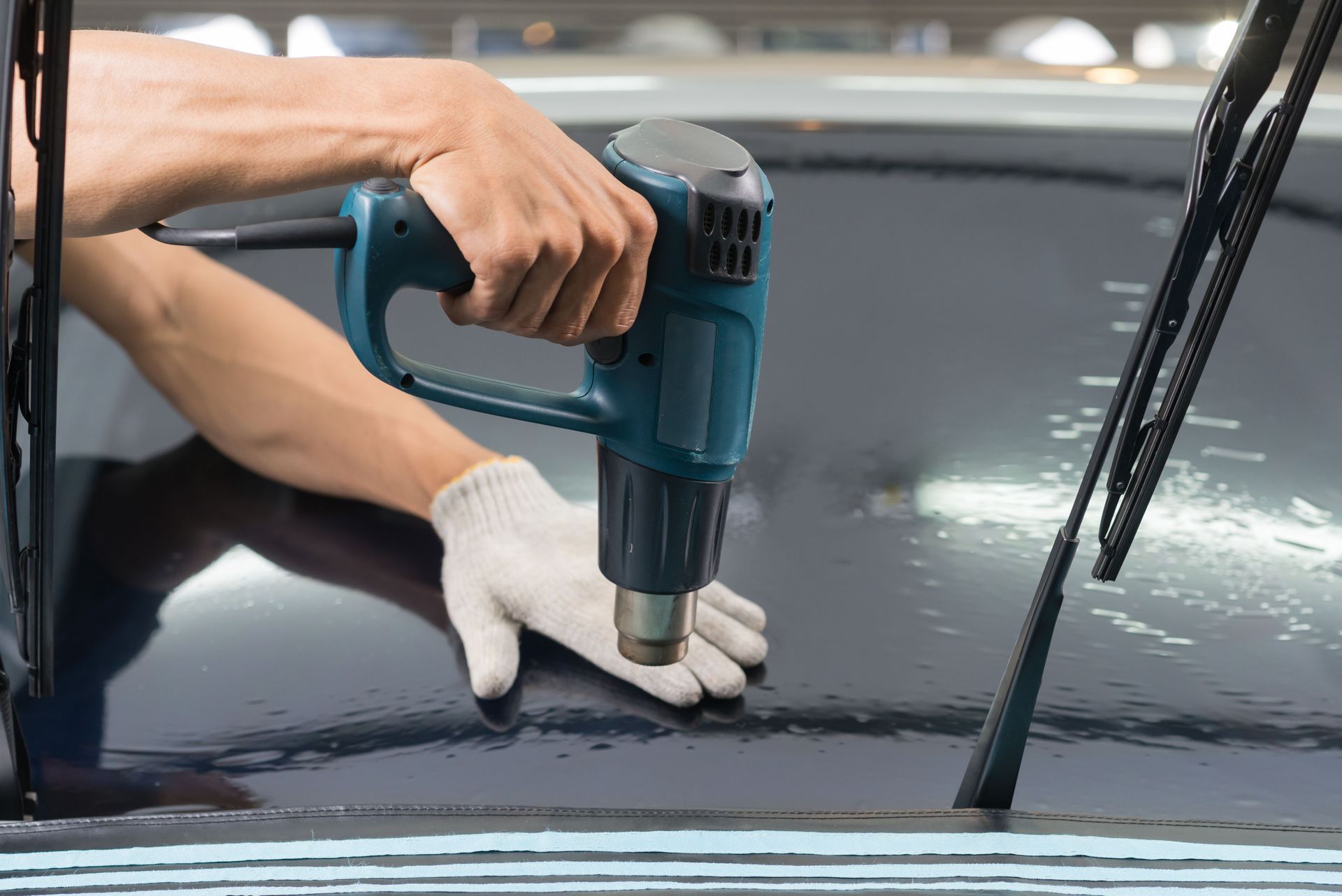
Several common challenges can arise during the tint installation process, but professional service providers are well-equipped to address them. Dust or debris left on the window can cause bubbles behind the film, resulting in a compromised install; hence, flawless cleaning is paramount. Uneven window surfaces or complex curves can also challenge the technician’s skills, requiring precision and experience to navigate effectively. Additionally, temperature and humidity fluctuations might interfere with the film's adhesion and require adjustments in technique or environment. Professional installers are adept at preemptively identifying and mitigating these challenges to ensure a smooth, successful outcome.
Post-Tinting Care and Maintenance
Following the installation of your window tint, proper immediate aftercare is critical to ensure the film sets correctly. Avoid rolling down the windows for at least three to five days, as this period allows the adhesive sufficient time to cure fully. Refrain from washing the vehicle or applying any cleaning products to the tinted windows during this initial period to prevent disturbing the film. Inspect the film regularly for any bubbles or imperfections that might appear as it sets and consult your service provider if issues persist. Adhering to these immediate care guidelines helps secure the longevity and appearance of the tint.
Maintaining your window tint over the long term involves regular care to preserve its appearance and functionality. Cleaning tinted windows should involve using a soft cloth and a mild cleaner that is free of ammonia, which can damage the film over time. Routine inspections for wear and tear, such as fading or peeling, enable you to address minor issues promptly. Proper maintenance can extend the lifespan of your tint beyond the standard five years often cited by resources like Kelley Blue Book. Consistent upkeeping preserves both the aesthetic and protective benefits that tinted windows provide.
Identifying signs of wear and tear on your window tint is crucial for addressing issues before they escalate. Bubbling, a common issue, can indicate improper installation or gradual adhesive breakdown and should be checked by professionals if persistent. Fading or peeling, due to excessive sun exposure or inferior film quality, can diminish the tint's effectiveness in blocking UV rays. It’s important to regularly observe the tint's overall appearance during routine vehicle inspections, paying attention to any changes. Addressing these signs early can extend the tint's lifespan and maintain its protective functions.
Benefits of Professional vs. DIY Tinting
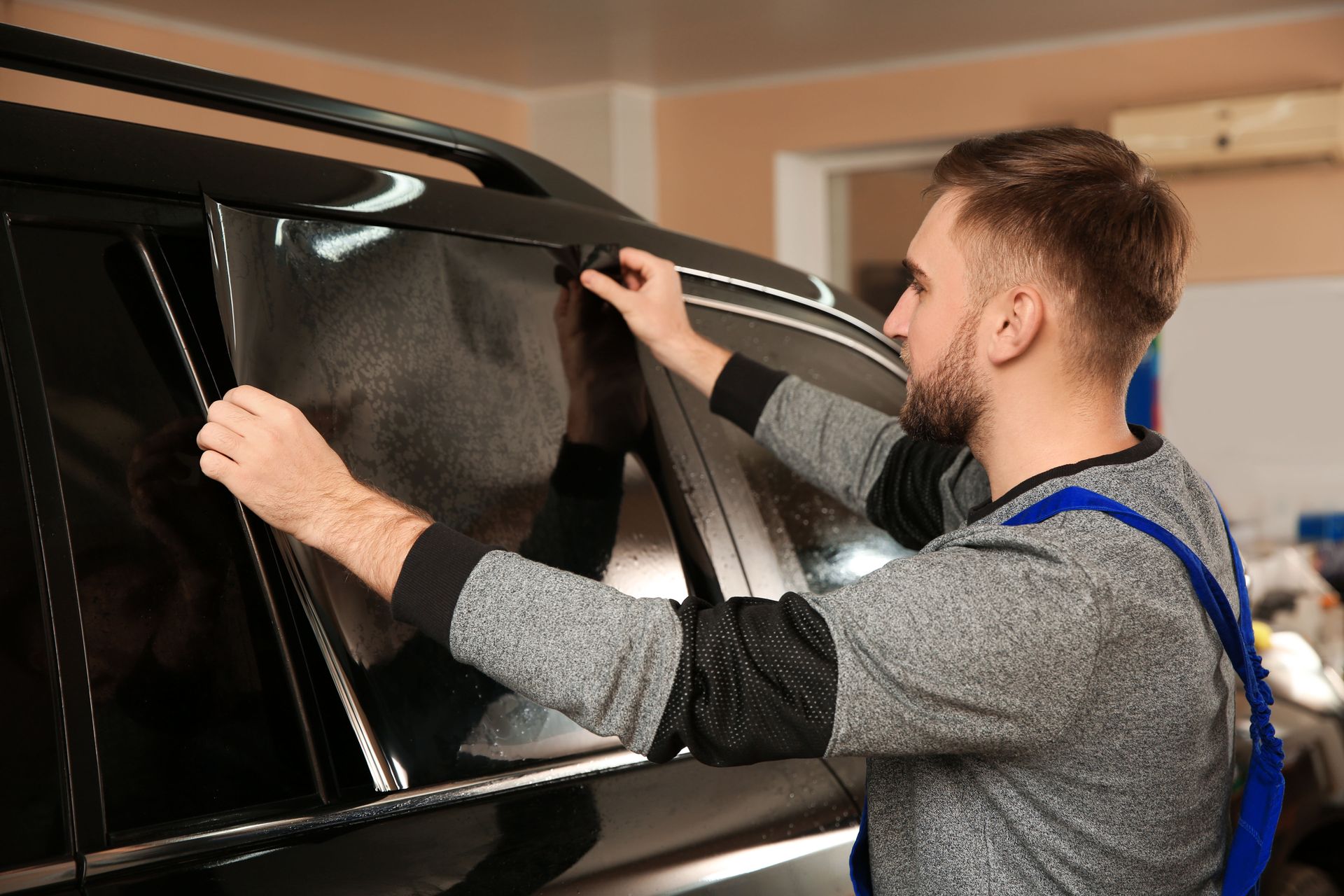
Professional tinting services offer numerous benefits that are often difficult to achieve through do-it-yourself methods. Expertise and experience ensure that the application is smooth and free of imperfections like bubbles or creases. Reputable service providers also offer warranties, providing coverage for potential defects or issues, adding value and peace of mind. Additionally, access to high-quality materials and advanced equipment means better installation outcomes and increased longevity of the tint. Choosing professional tinting guarantees enhanced performance, appearance, and overall satisfaction compared to DIY attempts.
Cost plays a significant role in deciding between professional and DIY auto tinting services, with both options presenting different financial implications. DIY projects typically have lower initial costs due to savings on labor, but the expense of purchasing adequate quality materials can add up. Professional services, while more expensive upfront, often provide superior installation accuracy and longer-lasting results, reducing potential future costs associated with reapplications or corrections. Considering the durability and effectiveness associated with professional tinting, it may offer better value over time. Evaluating the cost-to-benefit ratio is crucial in determining the most cost-effective option for your needs. For more information about the services that we offer, reach out to our incredible team at A1 Auto Glass & Window Tinting today!